Keeping Safe & First Aid Lessons for Schools

Help pupils recognise hazards, respond calmly in an emergency, know how to call for help and apply basic first aid.

Explore 37+ ready-to-teach lessons that build practical safety skills across UK primary and secondary schools. These lesson plans cover basic first aid steps, emergency response, calling for help, hazard recognition, staying safe in different environments, protective behaviours, recognising when something feels wrong and knowing which trusted adults to turn to. Lessons progress from early primary through to upper secondary. Younger pupils start with clear, foundational ideas such as who helps them, safe and unsafe secrets and playing safely, while older pupils move into more advanced and sensitive areas including managing emergencies, recognising risk and understanding exploitation. Complexity builds gradually, so pupils revisit familiar ideas with more depth and detail as they grow.

Primary • Secondary • PDHPE • Wellbeing • Health • First Aid • Personal Safety

Why this topic matters in schools

Keeping Safe & First Aid teaches pupils what to do before, during and after something goes wrong.

Keeping Safe & First Aid teaches pupils what to do before, during and after something goes wrong.

Safety is a practical skill set that pupils build through clear teaching and regular practise, not something they simply pick up. Knowing how to recognise a hazard, call for help, respond in an emergency or speak to a trusted adult gives pupils the confidence to act when it counts. These are skills that need to be taught, practised and revisited over time, not left until something goes wrong.

This topic matters in schools because it helps pupils:

  • recognise hazards and risks in everyday environments

  • understand how to call for help and describe an emergency clearly

  • apply basic first aid steps calmly and appropriately

  • identify trusted adults and know when to speak up

  • respond to unsafe situations with practical, age-appropriate actions

For teachers and school leaders, the Keeping Safe & First Aid lesson set gives pupils the knowledge, language and practical steps to stay safe and support others, and helps schools reinforce wellbeing, pastoral care and safeguarding priorities through planned, proactive teaching.

Teachers come to Wellio looking for practical, ready-to-teach lessons that match their classroom goals, cohort needs and teaching context.

Browse by stage

Find Keeping Safe & First Aid lessons that match the age group you teach.

Primary school

Growing complexity as pupils explore emergency response, hazard recognition, personal safety and early awareness of risk in their wider community.
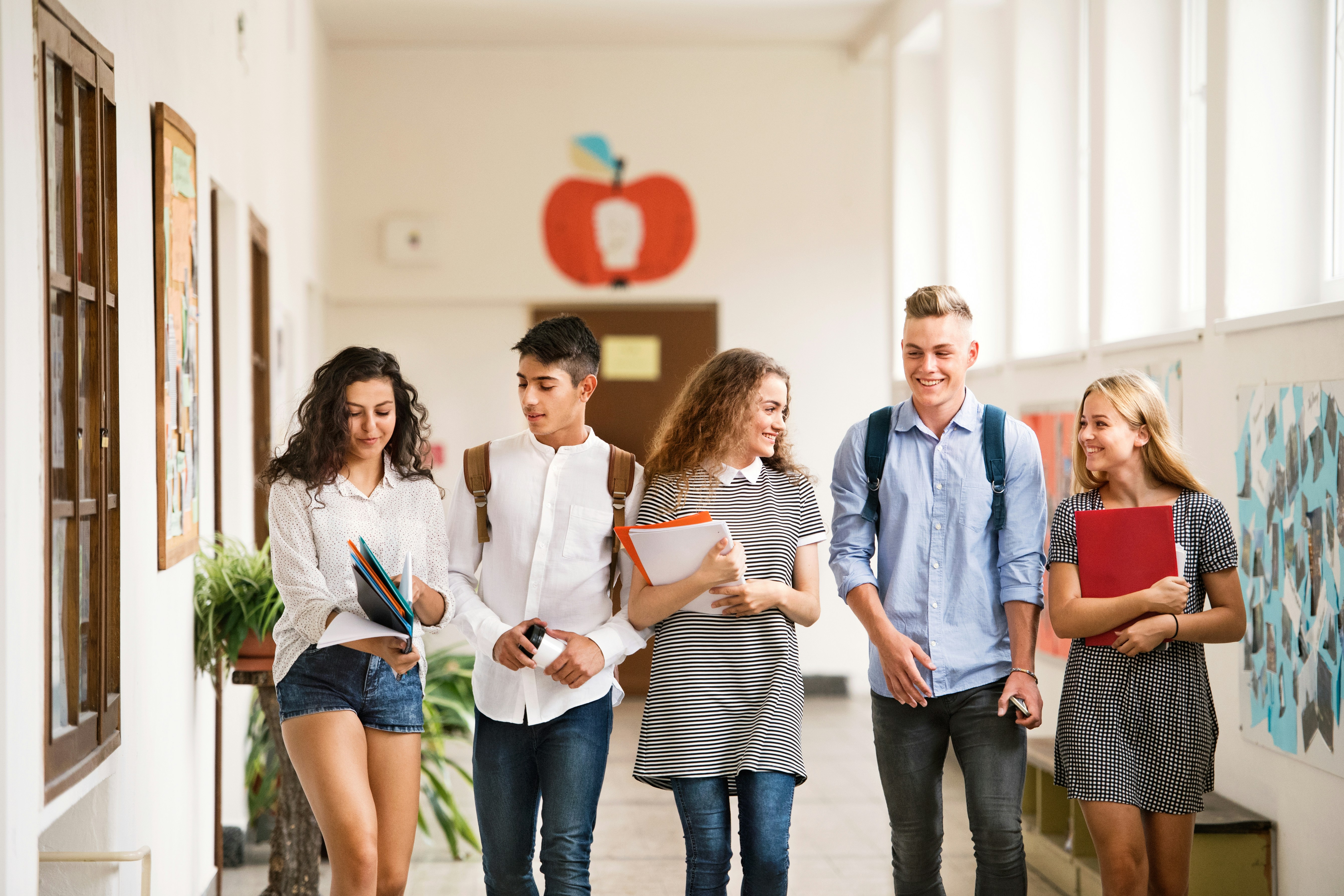
Primary school

Growing complexity as pupils explore emergency response, hazard recognition, personal safety and early awareness of risk in their wider community.

Lower secondary

Growing complexity as pupils explore emergency response, hazard recognition, personal safety and early awareness of risk in their wider community.

Upper secondary

More advanced and sensitive issues, including managing emergencies, recognising exploitation, understanding the impact of knife crime and applying practical first aid in realistic scenarios.

Upper secondary

More advanced and sensitive issues, including managing emergencies, recognising exploitation, understanding the impact of knife crime and applying practical first aid in realistic scenarios.

Browse by subtopic

Explore these lesson plans by the safety area you need most.

First Aid Skills

Practical, step-by-step lessons that help pupils learn basic first aid, respond in an emergency and understand how simple actions can support someone who is hurt or unwell.

Personal Boundaries & Safety

A lesson focused on personal boundaries and knowing what to do when something does not feel right.

Staying Safe

Lessons focused on recognising hazards, staying safe in different environments and making safe choices at home, at school and in the community.

Health & Hygiene

Lessons covering germs, illness, immunisation and vaccination, helping pupils understand how everyday habits protect their health and the health of others.

Safety Laws & Rights

Content that helps pupils understand the laws and issues around weapons, exploitation and gang violence, and their rights to safety and support.

First Aid Skills

Practical, step-by-step lessons that help pupils learn basic first aid, respond in an emergency and understand how simple actions can support someone who is hurt or unwell.

Staying Safe

Lessons focused on recognising hazards, staying safe in different environments and making safe choices at home, at school and in the community.

Safety Laws & Rights

Content that helps pupils understand the laws and issues around weapons, exploitation and gang violence, and their rights to safety and support.

Personal Boundaries & Safety

A lesson focused on personal boundaries and knowing what to do when something does not feel right.

Health & Hygiene

Lessons covering germs, illness, immunisation and vaccination, helping pupils understand how everyday habits protect their health and the health of others.

First Aid Skills

Practical, step-by-step lessons that help pupils learn basic first aid, respond in an emergency and understand how simple actions can support someone who is hurt or unwell.

Safety Laws & Rights

Content that helps pupils understand the laws and issues around weapons, exploitation and gang violence, and their rights to safety and support.

Health & Hygiene

Lessons covering germs, illness, immunisation and vaccination, helping pupils understand how everyday habits protect their health and the health of others.

Staying Safe

Lessons focused on recognising hazards, staying safe in different environments and making safe choices at home, at school and in the community.

Personal Boundaries & Safety

A lesson focused on personal boundaries and knowing what to do when something does not feel right.

First Aid Skills

Practical, step-by-step lessons that help pupils learn basic first aid, respond in an emergency and understand how simple actions can support someone who is hurt or unwell.

Safety Laws & Rights

Content that helps pupils understand the laws and issues around weapons, exploitation and gang violence, and their rights to safety and support.

Health & Hygiene

Lessons covering germs, illness, immunisation and vaccination, helping pupils understand how everyday habits protect their health and the health of others.

Staying Safe

Lessons focused on recognising hazards, staying safe in different environments and making safe choices at home, at school and in the community.

Personal Boundaries & Safety

A lesson focused on personal boundaries and knowing what to do when something does not feel right.

A few strong starting points from these lesson plans.

First Aid Beyond Emergencies

Builds pupils' understanding of how basic first aid steps can make a real difference in an emergency.

First Aid Beyond Emergencies

Builds pupils' understanding of how basic first aid steps can make a real difference in an emergency.

Saving Lives With First Aid

Builds pupils' understanding of how basic first aid steps can make a real difference in an emergency.

Saving Lives With First Aid

Builds pupils' understanding of how basic first aid steps can make a real difference in an emergency.

Safety First

Helps pupils recognise hazards and make safer decisions in a range of everyday settings.

Safety First

Helps pupils recognise hazards and make safer decisions in a range of everyday settings.

Staying Safe

Supports pupils in identifying risks and knowing practical steps to keep themselves and others safe.

Staying Safe

Supports pupils in identifying risks and knowing practical steps to keep themselves and others safe.

Teaching outcomes supported

These lessons support more than topic knowledge alone. They help schools build practical, observable capabilities that pupils can use in real situations.

These lessons can support outcomes such as:

First aid and emergency response

  • explain the basic steps to take in an emergency

  • demonstrate how to call for help and describe a situation clearly

  • apply simple first aid actions in appropriate situations

Recognising and responding to risk

  • identify hazards and risks in familiar environments

  • recognise when a situation or secret does not feel safe

  • describe practical steps to stay safe and protect themselves and others

Seeking help and understanding safety issues

  • identify trusted adults and know when to speak up

  • recognise the signs of exploitation and unsafe relationships

  • explain how everyday habits and immunisation support personal and community health

These outcomes are supported across 37+ lessons, making the lesson set useful across curriculum, wellbeing, pastoral and safeguarding contexts.

Why teachers use these resources

Safety and first aid are hard to teach well without structured support, because they require accurate steps, calm framing and age-appropriate progression.

They save planning time

Each lesson arrives ready-to-teach with a clear structure, discussion prompts and teaching guidance. Teachers can prepare with minimal preparation and focus on delivery rather than sourcing and building content.

They cover the full breadth of the topic in one place

Safety learning works best as a progression rather than one-off sessions. These lessons help teachers build a sequence that revisits hazard recognition, help-seeking and response over time.

They support confident delivery across different experience levels

Lessons are built to be read from the screen and include a teacher script and on-screen lesson flow. This supports teachers who are less familiar with sensitive safety content and helps keep delivery consistent.

They work across year levels and different school settings

With content spanning early primary to upper secondary, teachers can select lessons that suit their cohort and adapt them for different school settings.

They support proactive teaching, not just reactive responses

Lessons are designed to build safety skills through planned teaching before situations arise, rather than only responding after something happens.

They save planning time

Each lesson arrives ready-to-teach with a clear structure, discussion prompts and teaching guidance. Teachers can prepare with minimal preparation and focus on delivery rather than sourcing and building content.

They cover the full breadth of the topic in one place

Safety learning works best as a progression rather than one-off sessions. These lessons help teachers build a sequence that revisits hazard recognition, help-seeking and response over time.

They support confident delivery across different experience levels

Lessons are built to be read from the screen and include a teacher script and on-screen lesson flow. This supports teachers who are less familiar with sensitive safety content and helps keep delivery consistent.

They work across year levels and different school settings

With content spanning early primary to upper secondary, teachers can select lessons that suit their cohort and adapt them for different school settings.

They support proactive teaching, not just reactive responses

Lessons are designed to build safety skills through planned teaching before situations arise, rather than only responding after something happens.

They save planning time

Each lesson arrives ready-to-teach with a clear structure, discussion prompts and teaching guidance. Teachers can prepare with minimal preparation and focus on delivery rather than sourcing and building content.

They support confident delivery across different experience levels

Lessons are built to be read from the screen and include a teacher script and on-screen lesson flow. This supports teachers who are less familiar with sensitive safety content and helps keep delivery consistent.

They support proactive teaching, not just reactive responses

Lessons are designed to build safety skills through planned teaching before situations arise, rather than only responding after something happens.

They cover the full breadth of the topic in one place

Safety learning works best as a progression rather than one-off sessions. These lessons help teachers build a sequence that revisits hazard recognition, help-seeking and response over time.

They work across year levels and different school settings

With content spanning early primary to upper secondary, teachers can select lessons that suit their cohort and adapt them for different school settings.

Created by psychologists and experienced teachers, these 37+ lessons help teachers deliver safety and first aid teaching with structure and confidence.

Designed for real school settings

These resources are built for the reality of school use, not just for covering a topic on paper.

They are designed to help teachers teach Keeping Safe & First Aid in ways that are:

  • age-appropriate

  • classroom-friendly

  • relevant to pupil life

  • practical for discussion and reflection

  • adaptable for different school contexts

  • suitable for both planned and responsive teaching

Schools can use these lessons in both planned wellbeing teaching and more responsive pastoral support.

  • structured classroom teaching across primary and secondary

  • tutor time and form time sessions

  • planned wellbeing and PSHE programmes

  • transition points where pupils move into new environments and responsibilities

  • discussion starters and follow-up reflection after key concepts are introduced

  • revisiting protective behaviours and first aid skills over time

Curriculum/Framework Support teachers use these resources

Keeping Safe & First Aid can support a wide range of school priorities and curriculum areas in AU schools.

Depending on stage and school context, these lessons may contribute to:

  • PSHE and RSHE teaching where relevant

  • safeguarding and protective behaviours education

  • health and wellbeing learning

  • pupil wellbeing, communication and self-management

  • pastoral, tutor-time and school culture programmes

  • transition, resilience and support planning

  • PSHE and RSHE teaching where relevant

  • safeguarding and protective behaviours education

  • health and wellbeing learning

  • pupil wellbeing, communication and self-management

  • pastoral, tutor-time and school culture programmes

  • transition, resilience and support planning

  • PSHE and RSHE teaching where relevant

  • health and wellbeing learning

  • pastoral, tutor-time and school culture programmes

  • safeguarding and protective behaviours education

  • pupil wellbeing, communication and self-management

  • transition, resilience and support planning

  • PSHE and RSHE teaching where relevant

  • health and wellbeing learning

  • pastoral, tutor-time and school culture programmes

  • safeguarding and protective behaviours education

  • pupil wellbeing, communication and self-management

  • transition, resilience and support planning

These lessons can support planned curriculum, wellbeing, pastoral and safeguarding teaching, depending on stage and school context.

Frequently asked questions

  • What age groups are these lessons suitable for?

    These lessons span early primary to upper secondary, with content pitched to different stages. Suitability depends on lesson focus, developmental appropriateness, your cohort's needs and your school context rather than age alone. Younger pupils cover foundational safety ideas, while more sensitive topics such as exploitation and knife crime sit in the upper secondary lessons.

  • What age groups are these lessons suitable for?

    These lessons span early primary to upper secondary, with content pitched to different stages. Suitability depends on lesson focus, developmental appropriateness, your cohort's needs and your school context rather than age alone. Younger pupils cover foundational safety ideas, while more sensitive topics such as exploitation and knife crime sit in the upper secondary lessons.

  • Do these lessons fit the curriculum?

  • How do I choose the right lesson?

  • Is Wellio aligned with RSHE and PSHE requirements?

  • How are sensitive topics such as exploitation and knife crime handled?

  • Are these lessons mainly for use after an incident?

Related Lessons

A girl and a boy using mobile phone

Find Keeping Safe & First Aid lessons that fit your pupils

Find Keeping Safe & First Aid lessons that fit your pupils

Browse by stage, explore by subtopic, or start with a ready-to-teach lesson.