Diversity, Equality & Society Lessons for Schools

Help students recognise stereotypes, understand human rights and democracy, and practise respect and inclusion across diverse communities.

Explore 49+ ready-to-teach lessons on diversity, equality and society for Australian primary and secondary schools. These lesson plans cover respect and inclusion, stereotypes and prejudice, cultural and religious diversity, different family structures, human rights, and how democracy and the rule of law work in everyday life. Content builds gradually across year levels. In early primary, lessons start with foundational ideas such as recognising difference, caring for community and respecting all families. Through lower and upper secondary, learning moves into more complex territory, including gender norms, discrimination, privilege and disadvantage, ethical reasoning and the systems that protect rights and fairness.

Primary

Secondary

PDHPE

Why this topic matters in schools

Diversity, equality and society shape how respectfully students learn, participate and belong together.

Diversity, equality and society shape how respectfully students learn, participate and belong together.

Students share classrooms, playgrounds and communities with people whose backgrounds, families, beliefs and identities differ from their own. Learning to recognise bias, question stereotypes and understand fairness helps them participate respectfully and make sense of the rights and responsibilities they share. These are skills that need to be taught, practised and revisited over time, not left until something goes wrong.

This topic matters in schools because it helps students:

recognise stereotypes and how they influence attitudes and behaviour

understand fairness, rights and responsibilities in shared spaces

appreciate cultural, religious and family diversity

participate respectfully in discussions about difference

connect personal choices to inclusion and belonging

For teachers and school leaders, the Diversity, Equality & Society lesson set provides a consistent way to build understanding of difference, support respectful behaviour and reinforce belonging across the school community.

What teachers are usually looking for

Teachers come to Wellio looking for practical, ready-to-teach lessons that match their classroom goals, cohort needs and teaching context.

Browse by stage

Find Diversity, Equality & Society lessons that match the age group you teach.

Primary school

Content grows in complexity, covering stereotypes, prejudice, cultural and religious diversity, gender norms and empathy for others. Students begin to examine how attitudes and assumptions form.
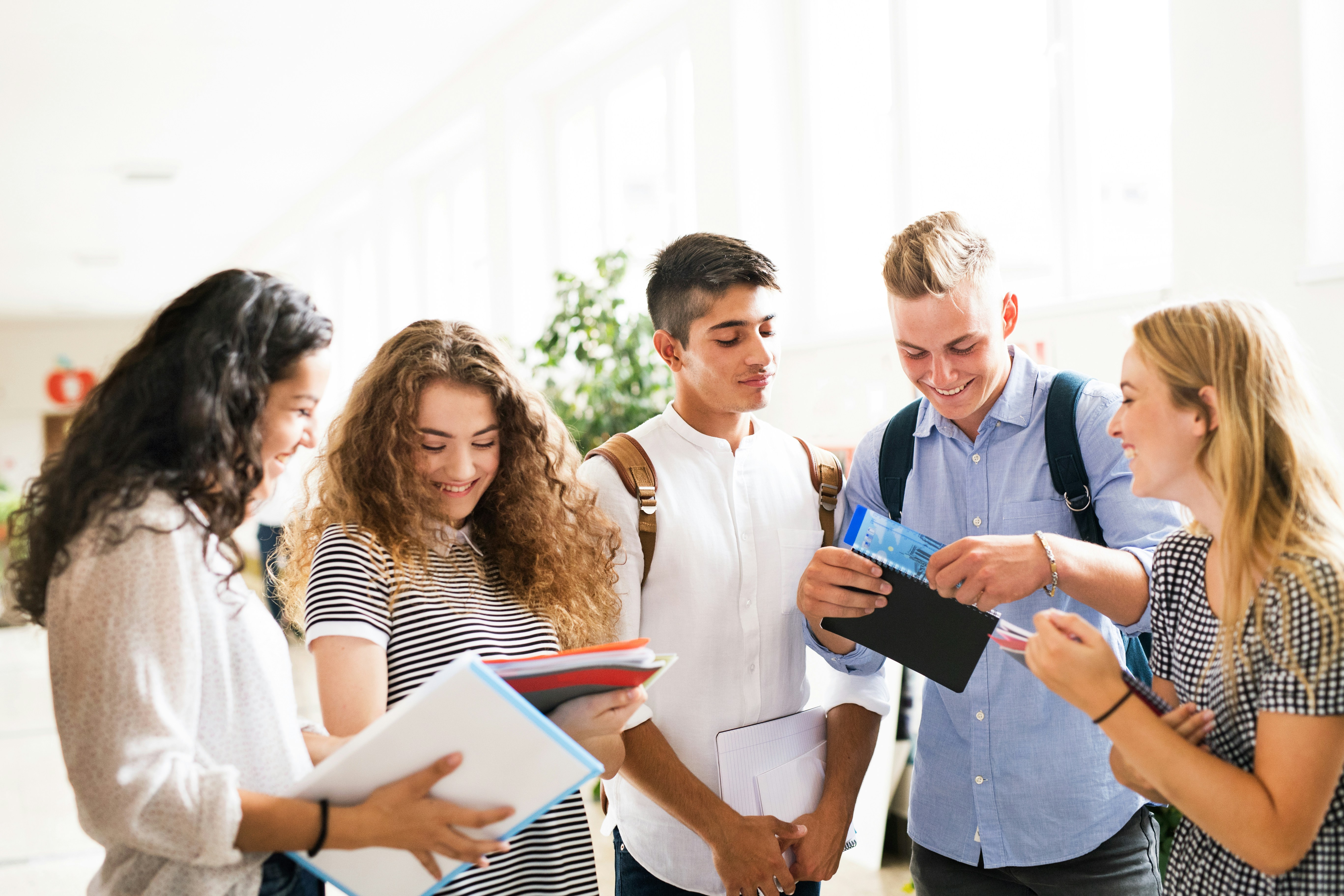
Primary school

Content grows in complexity, covering stereotypes, prejudice, cultural and religious diversity, gender norms and empathy for others. Students begin to examine how attitudes and assumptions form.

Lower secondary

Content grows in complexity, covering stereotypes, prejudice, cultural and religious diversity, gender norms and empathy for others. Students begin to examine how attitudes and assumptions form.

Upper secondary

More advanced lessons address discrimination, privilege and disadvantage, ethical reasoning, human rights, democracy and the rule of law. Students engage with bigger questions about fairness and society.

Upper secondary

More advanced lessons address discrimination, privilege and disadvantage, ethical reasoning, human rights, democracy and the rule of law. Students engage with bigger questions about fairness and society.

Browse by subtopic

Explore these lesson plans by the topic area you need most.

Diversity & Inclusion

Lessons on recognising and respecting difference, challenging stereotypes and celebrating cultural and religious diversity across communities.

Rights, Laws & Democracy

Content on human rights, responsibilities, the rule of law, democratic systems and how power is shared and protected in society.

Respect & Equality

Content exploring different family structures, inclusion within families and how communities care for their members.

Diversity & Inclusion

Lessons on recognising and respecting difference, challenging stereotypes and celebrating cultural and religious diversity across communities.

Rights, Laws & Democracy

Content on human rights, responsibilities, the rule of law, democratic systems and how power is shared and protected in society.

Respect & Equality

Content exploring different family structures, inclusion within families and how communities care for their members.

Diversity & Inclusion

Lessons on recognising and respecting difference, challenging stereotypes and celebrating cultural and religious diversity across communities.

Respect & Equality

Content exploring different family structures, inclusion within families and how communities care for their members.

Rights, Laws & Democracy

Content on human rights, responsibilities, the rule of law, democratic systems and how power is shared and protected in society.

Diversity & Inclusion

Lessons on recognising and respecting difference, challenging stereotypes and celebrating cultural and religious diversity across communities.

Respect & Equality

Content exploring different family structures, inclusion within families and how communities care for their members.

Rights, Laws & Democracy

Content on human rights, responsibilities, the rule of law, democratic systems and how power is shared and protected in society.

Featured lessons

A few strong starting points from these lesson plans.

Breaking Down Stereotypes

Supports students to understand the link between assumptions, prejudice and how people are treated.

Breaking Down Stereotypes

Supports students to understand the link between assumptions, prejudice and how people are treated.

Stereotypes and Prejudice

Supports students to understand the link between assumptions, prejudice and how people are treated.

Stereotypes and Prejudice

Supports students to understand the link between assumptions, prejudice and how people are treated.

Celebrating Diversity

Helps students appreciate cultural, personal and community differences as part of belonging.

Celebrating Diversity

Helps students appreciate cultural, personal and community differences as part of belonging.

Respecting and Celebrating Religious Diversity

Builds understanding of different religious beliefs and how to respect them in shared spaces.

Respecting and Celebrating Religious Diversity

Builds understanding of different religious beliefs and how to respect them in shared spaces.

Racism & Discrimination

Helps students identify racism and discrimination and understand their impact on individuals and communities.

Racism & Discrimination

Helps students identify racism and discrimination and understand their impact on individuals and communities.

Choosing content for cohort readiness

Supports students to understand what human rights are and why they matter to everyone.

Choosing content for cohort readiness

Supports students to understand what human rights are and why they matter to everyone.

Ethical Dilemmas & Moral Reasoning

Helps students work through complex situations and reason about fairness and responsibility.

Ethical Dilemmas & Moral Reasoning

Helps students work through complex situations and reason about fairness and responsibility.

Teaching outcomes supported

These lessons support more than topic knowledge alone. They help schools build the understanding, reasoning and social skills students draw on when navigating difference and fairness.

These lessons can support outcomes such as:

Understanding difference and inclusion

  • recognise how stereotypes and bias influence attitudes

  • explain why respect and inclusion matter in shared spaces

  • identify different family structures and community roles

  • appreciate cultural and religious diversity

Reasoning about rights and fairness

  • explain what human rights and responsibilities are

  • compare fairness across different situations

  • describe how democracy and the rule of law work

  • evaluate ethical dilemmas using reasoning rather than assumption

Applying respect in everyday interactions

  • discuss sensitive topics respectfully

  • recognise discrimination and its effects

  • demonstrate empathy for others' experiences

  • apply inclusive behaviour in classroom and community settings

These outcomes are supported across 49+ lessons, making the lesson set useful across PDHPE, wellbeing, pastoral and school culture contexts.

Why teachers use these resources

Topics like diversity, equality and society can be hard to teach well without structured support, because they involve sensitive discussion, complex ideas and the need for balanced, factual framing.

They save planning time

Each lesson is ready-to-teach with a clear structure and discussion prompts built in. Teachers can pick a lesson and deliver it with minimal preparation.

They cover the full breadth of the topic in one place

Conversations about identity, culture and difference can feel sensitive to open up. The lesson set includes prompts and framing that help students share views respectfully and listen to others.

They support confident delivery across different experience levels

Lessons include on-screen flow, a teacher script and teaching guidance, which helps teachers who are less familiar with a topic deliver it clearly and consistently.

They work across year levels and different school settings

Content spans early primary through to senior secondary, with age-appropriate framing at each stage, so the lessons suit a range of cohorts and teaching contexts.

They support proactive teaching, not just reactive responses

The lessons are built to introduce respect, fairness and inclusion as planned learning, helping schools build understanding before situations arise.

They save planning time

Each lesson is ready-to-teach with a clear structure and discussion prompts built in. Teachers can pick a lesson and deliver it with minimal preparation.

They cover the full breadth of the topic in one place

Conversations about identity, culture and difference can feel sensitive to open up. The lesson set includes prompts and framing that help students share views respectfully and listen to others.

They support confident delivery across different experience levels

Lessons include on-screen flow, a teacher script and teaching guidance, which helps teachers who are less familiar with a topic deliver it clearly and consistently.

They work across year levels and different school settings

Content spans early primary through to senior secondary, with age-appropriate framing at each stage, so the lessons suit a range of cohorts and teaching contexts.

They support proactive teaching, not just reactive responses

The lessons are built to introduce respect, fairness and inclusion as planned learning, helping schools build understanding before situations arise.

They save planning time

Each lesson is ready-to-teach with a clear structure and discussion prompts built in. Teachers can pick a lesson and deliver it with minimal preparation.

They support confident delivery across different experience levels

Lessons include on-screen flow, a teacher script and teaching guidance, which helps teachers who are less familiar with a topic deliver it clearly and consistently.

They support proactive teaching, not just reactive responses

The lessons are built to introduce respect, fairness and inclusion as planned learning, helping schools build understanding before situations arise.

They cover the full breadth of the topic in one place

Conversations about identity, culture and difference can feel sensitive to open up. The lesson set includes prompts and framing that help students share views respectfully and listen to others.

They work across year levels and different school settings

Content spans early primary through to senior secondary, with age-appropriate framing at each stage, so the lessons suit a range of cohorts and teaching contexts.

The lessons are built to introduce respect, fairness and inclusion as planned learning, helping schools build understanding before situations arise.

Designed for real school settings

These resources are built for the reality of school use, not just for covering a topic on paper.

They are designed to help teachers teach Online Safety, AI & Digital Literacy in ways that are:

  • Age-appropriate

  • Classroom-friendly

  • Relevant to student life

  • Practical for discussion and reflection

  • Adaptable for different school contexts

  • Suitable for both planned and responsive teaching

Schools can use these lessons in both planned wellbeing teaching and more responsive pastoral support.

  • structured classroom teaching on respect, inclusion and difference

  • wellbeing lessons focused on belonging and community

  • discussion starters for exploring stereotypes, fairness or rights

  • transition programmes that reinforce shared expectations

  • revisiting key concepts such as inclusion across the school year

  • pastoral and advisory sessions that build understanding of others

Curriculum/Framework Support teachers use these resources

Diversity, Equality & Society can support a wide range of school priorities and curriculum areas in Australian schools.

Depending on stage and school context, these lessons may contribute to:

  • PDHPE, health and wellbeing learning

  • Student wellbeing and self-management

  • Digital citizenship and digital literacy work

  • Pastoral, advisory and school culture programmes

  • Anti-bullying and respectful behaviour support work

  • Transition, belonging and inclusion planning

  • PDHPE, health and wellbeing learning

  • Student wellbeing and self-management

  • Digital citizenship and digital literacy work

  • Pastoral, advisory and school culture programmes

  • Anti-bullying and respectful behaviour support work

  • Transition, belonging and inclusion planning

  • PDHPE, health and wellbeing learning

  • Digital citizenship and digital literacy work

  • Anti-bullying and respectful behaviour support work

  • Student wellbeing and self-management

  • Pastoral, advisory and school culture programmes

  • Transition, belonging and inclusion planning

  • PDHPE, health and wellbeing learning

  • Digital citizenship and digital literacy work

  • Anti-bullying and respectful behaviour support work

  • Student wellbeing and self-management

  • Pastoral, advisory and school culture programmes

  • Transition, belonging and inclusion planning

These lessons can support planned curriculum, wellbeing, pastoral and safeguarding teaching, depending on stage and school context.

Frequently asked questions

  • What age groups are these lessons suitable for?

    The lesson set spans early primary through to senior secondary. Suitability depends on the specific lesson focus, your cohort's readiness and the trust already established in the classroom, rather than age alone. Foundational lessons on respect and family diversity suit younger students, while topics such as discrimination, privilege and ethical reasoning are pitched for secondary cohorts.

  • What age groups are these lessons suitable for?

    The lesson set spans early primary through to senior secondary. Suitability depends on the specific lesson focus, your cohort's readiness and the trust already established in the classroom, rather than age alone. Foundational lessons on respect and family diversity suit younger students, while topics such as discrimination, privilege and ethical reasoning are pitched for secondary cohorts.

  • How do these lessons fit into the curriculum?

  • How do I choose the right lesson?

  • Do I need specialist training to teach these lessons?

  • How are sensitive topics like discrimination and gender handled?

  • Can these lessons be used to respond to an incident?

Related Lessons

A girl and a boy using mobile phone

Find Online Safety, AI & Digital Literacy lessons that fit your students

Find Online Safety, AI & Digital Literacy lessons that fit your students

Browse by stage, explore by subtopic, or start with a ready-to-teach lesson.