Healthy Relationships & Communication Lessons for Schools

Help students communicate clearly, set and respect boundaries, resolve conflict and build respectful, supportive relationships.

Explore 111+ ready-to-teach Healthy Relationships & Communication lessons covering friendships, respect, communication styles, conflict resolution, boundaries, consent, bullying prevention and help-seeking. Built for Australian primary and secondary schools, these lessons give teachers a practical, structured way to teach relationship skills without starting from scratch. The lesson set builds gradually across stages. Early primary lessons focus on kindness, sharing, listening and gentle words, lower secondary lessons develop skills such as assertiveness, negotiation and recognising healthy and unhealthy relationships, and upper secondary lessons move into more complex topics including power dynamics, consent and respectful relationships.

Primary • Secondary • PDHPE • Wellbeing • Health • Respectful Relationships • Communication

Why this topic matters in schools

Strong relationships and clear communication shape how safe and connected students feel at school.

Strong relationships and clear communication shape how safe and connected students feel at school.

Students are constantly navigating friendships, group dynamics, disagreements and changing relationships, and these situations ask for skills that are not automatic. Learning how to listen, express needs, set boundaries and repair a relationship takes practice and reflection over time. These are skills that need to be taught, practised and revisited over time, not left until something goes wrong.


recognise the difference between healthy and unhealthy relationships

communicate clearly and respectfully, including when they disagree

set and respect personal boundaries

respond to bullying and hurtful behaviour as an upstander

seek help and support others when relationships become difficult

For teachers and school leaders, the Goal Setting, Mindset & Self-Worth lesson set offers a structured way to build these skills across year levels, reinforcing wellbeing, self-management and a positive learning culture before difficulties take hold.

What teachers are usually looking for

Teachers come to Wellio looking for practical, ready-to-teach lessons that match their classroom goals, cohort needs and teaching context.

Browse by stage

Find Healthy Relationships & Communication lessons that match the age group you teach.

Primary school

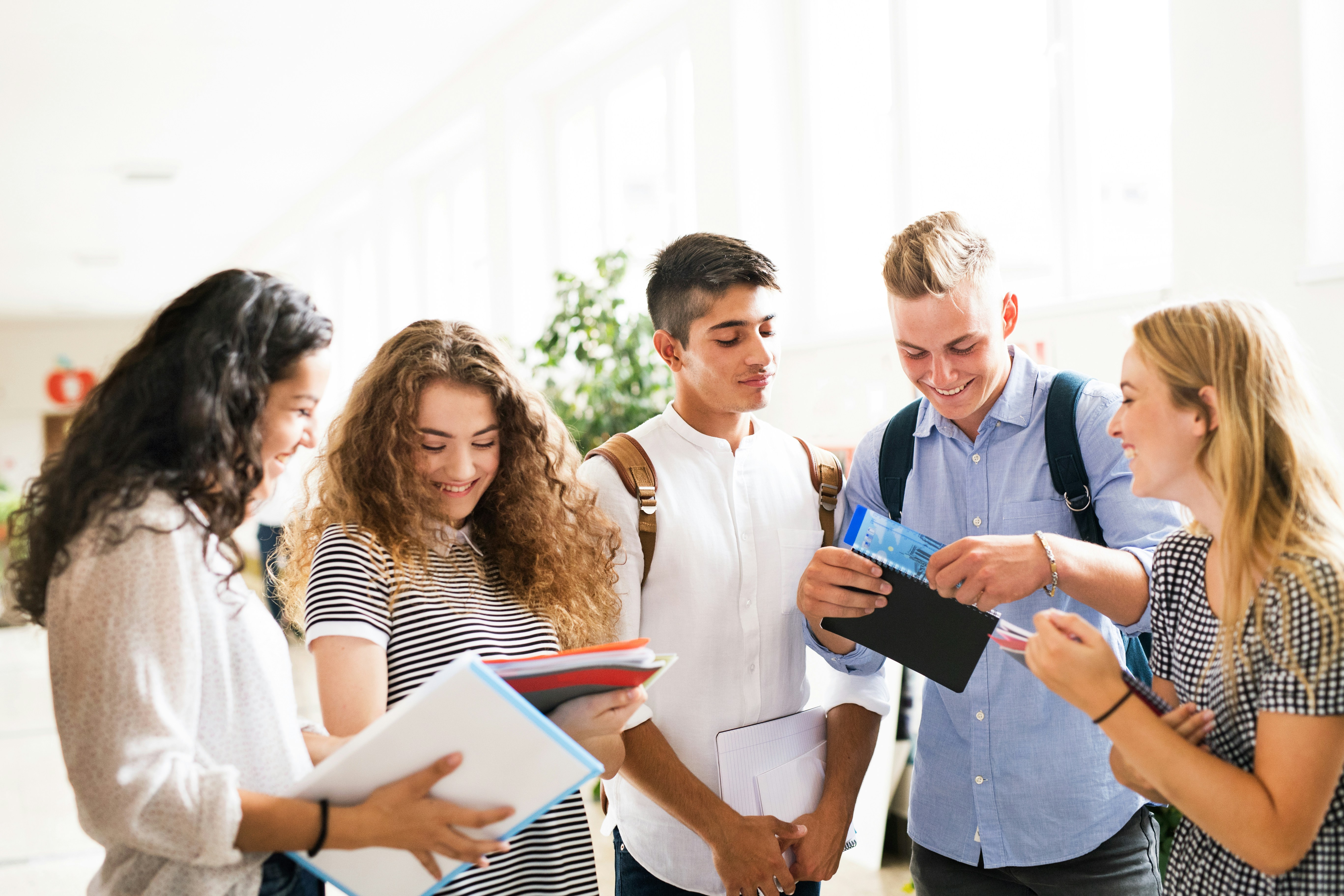
Lessons grow in complexity as students explore communication styles, assertiveness, conflict resolution, healthy versus unhealthy relationships and bystander responsibility. This stage builds the language and strategies for navigating changing friendships and group dynamics.
Primary school

Lessons grow in complexity as students explore communication styles, assertiveness, conflict resolution, healthy versus unhealthy relationships and bystander responsibility. This stage builds the language and strategies for navigating changing friendships and group dynamics.

Lower secondary

Lessons grow in complexity as students explore communication styles, assertiveness, conflict resolution, healthy versus unhealthy relationships and bystander responsibility. This stage builds the language and strategies for navigating changing friendships and group dynamics.

Upper secondary

More advanced lessons cover power dynamics, consent, respectful relationships and preventing harassment, alongside sensitive topics such as domestic abuse and gender-based violence, framed carefully and without alarm.

Upper secondary

More advanced lessons cover power dynamics, consent, respectful relationships and preventing harassment, alongside sensitive topics such as domestic abuse and gender-based violence, framed carefully and without alarm.

Browse by subtopic

Explore these lesson plans by the topic area you need most.

Healthy Relationships

Lessons exploring what makes relationships healthy, how to recognise red flags, and how to build, manage and repair different kinds of relationships across friendships, family and romantic contexts.

Bullying & Prevention

Lessons that build shared understanding of bullying, bystander responsibility and speaking up for safety.

Communication & Conflict Resolution

Practical lessons on communication styles, assertiveness, active listening, negotiation and calmly resolving disagreements.

Boundaries & Consent

Age-appropriate lessons introducing personal boundaries, respecting the boundaries of others and understanding consent.

Friendships & Belonging

Lessons that help students build empathy, strengthen friendships, feel included and understand the value of connection and belonging.

Healthy Relationships

Lessons exploring what makes relationships healthy, how to recognise red flags, and how to build, manage and repair different kinds of relationships across friendships, family and romantic contexts.

Communication & Conflict Resolution

Practical lessons on communication styles, assertiveness, active listening, negotiation and calmly resolving disagreements.

Friendships & Belonging

Lessons that help students build empathy, strengthen friendships, feel included and understand the value of connection and belonging.

Bullying & Prevention

Lessons that build shared understanding of bullying, bystander responsibility and speaking up for safety.

Boundaries & Consent

Age-appropriate lessons introducing personal boundaries, respecting the boundaries of others and understanding consent.

Healthy Relationships

Lessons exploring what makes relationships healthy, how to recognise red flags, and how to build, manage and repair different kinds of relationships across friendships, family and romantic contexts.

Friendships & Belonging

Lessons that help students build empathy, strengthen friendships, feel included and understand the value of connection and belonging.

Boundaries & Consent

Age-appropriate lessons introducing personal boundaries, respecting the boundaries of others and understanding consent.

Communication & Conflict Resolution

Practical lessons on communication styles, assertiveness, active listening, negotiation and calmly resolving disagreements.

Bullying & Prevention

Lessons that build shared understanding of bullying, bystander responsibility and speaking up for safety.

Healthy Relationships

Lessons exploring what makes relationships healthy, how to recognise red flags, and how to build, manage and repair different kinds of relationships across friendships, family and romantic contexts.

Friendships & Belonging

Lessons that help students build empathy, strengthen friendships, feel included and understand the value of connection and belonging.

Boundaries & Consent

Age-appropriate lessons introducing personal boundaries, respecting the boundaries of others and understanding consent.

Communication & Conflict Resolution

Practical lessons on communication styles, assertiveness, active listening, negotiation and calmly resolving disagreements.

Bullying & Prevention

Lessons that build shared understanding of bullying, bystander responsibility and speaking up for safety.

Featured lessons

A few strong starting points from these lesson plans.

Building Empathy & Connection

Helps students think about how friendships work beyond the classroom and how to maintain positive connections.

Building Empathy & Connection

Helps students think about how friendships work beyond the classroom and how to maintain positive connections.

Friends After School

Helps students think about how friendships work beyond the classroom and how to maintain positive connections.

Friends After School

Helps students think about how friendships work beyond the classroom and how to maintain positive connections.

Laughter, Gratitude & Happiness

Helps students recognise how shared positive experiences and gratitude support strong relationships.

Laughter, Gratitude & Happiness

Helps students recognise how shared positive experiences and gratitude support strong relationships.

Communication Styles

Helps students identify different communication styles and choose respectful, assertive ways to express themselves.

Communication Styles

Helps students identify different communication styles and choose respectful, assertive ways to express themselves.

Navigating Conflict

Helps students understand how conflict arises and practise strategies for resolving disagreements calmly.

Navigating Conflict

Helps students understand how conflict arises and practise strategies for resolving disagreements calmly.

Introducing boundaries and consent age-appropriately

Helps students understand how repair and forgiveness can restore relationships after conflict.

Introducing boundaries and consent age-appropriately

Helps students understand how repair and forgiveness can restore relationships after conflict.

Healthy vs Unhealthy Relationships

Helps students recognise the signs of healthy and unhealthy relationships and what to do about them.

Healthy vs Unhealthy Relationships

Helps students recognise the signs of healthy and unhealthy relationships and what to do about them.

My Boundaries and Yours

Helps students set personal boundaries and respect the boundaries of others.

My Boundaries and Yours

Helps students set personal boundaries and respect the boundaries of others.

My Rights, My Responsibilities

Helps students understand their rights and how these connect to their responsibilities towards others.

My Rights, My Responsibilities

Helps students understand their rights and how these connect to their responsibilities towards others.

My Rights, My Responsibilities

Helps students understand their rights and how these connect to their responsibilities towards others.

My Rights, My Responsibilities

Helps students understand their rights and how these connect to their responsibilities towards others.

Power and Kindness

Helps students recognise how power operates in relationships and how kindness shapes fair, respectful behaviour.

Power and Kindness

Helps students recognise how power operates in relationships and how kindness shapes fair, respectful behaviour.

Teaching outcomes supported

These lessons support more than topic knowledge alone. They help schools build broader capabilities that students can apply across friendships, group work, family and community life.

These lessons can support outcomes such as:

Understanding relationships

  • identify the differences between healthy and unhealthy relationships

  • recognise signs of respect and disrespect in interactions

  • explain how power and kindness influence relationships

Communicating and resolving conflict

  • demonstrate assertive, respectful communication

  • apply listening and negotiation strategies in disagreements

  • explain steps for repairing a relationship after conflict

Respecting boundaries and staying safe

  • set personal boundaries and respect the boundaries of others

  • recognise bullying and hurtful behaviour and respond as an upstander

  • identify trusted people and how to seek help or support others

These outcomes are supported across 111+ lessons, making the lesson set useful across curriculum, wellbeing, pastoral and safeguarding contexts.

Why teachers use these resources

Relationships and communication are hard to teach well on the fly, because they involve sensitive discussion, careful framing and consistent language across a cohort.

They save planning time

Each lesson is ready-to-teach with a structured flow, discussion prompts and teaching guidance. Teachers can pick up a lesson and deliver it with minimal preparation.

They cover the full breadth of the topic in one place

Many teachers need lessons that model assertive communication, active listening and negotiation so students can practise these skills rather than just hear about them.

They support confident delivery across different experience levels

Lessons are built to be read from the screen and include a teacher script, so teachers who are newer to a topic can deliver it with clear support and structure.

They work across year levels and different school settings

With lessons spanning primary through to upper secondary, teachers can find age-appropriate content that suits their cohort and adjust framing to fit their context.

They support proactive teaching, not just reactive responses

The lessons are designed to build skills ahead of time, giving students shared language and strategies before relationship challenges arise.

They save planning time

Each lesson is ready-to-teach with a structured flow, discussion prompts and teaching guidance. Teachers can pick up a lesson and deliver it with minimal preparation.

They cover the full breadth of the topic in one place

Many teachers need lessons that model assertive communication, active listening and negotiation so students can practise these skills rather than just hear about them.

They support confident delivery across different experience levels

Lessons are built to be read from the screen and include a teacher script, so teachers who are newer to a topic can deliver it with clear support and structure.

They work across year levels and different school settings

With lessons spanning primary through to upper secondary, teachers can find age-appropriate content that suits their cohort and adjust framing to fit their context.

They support proactive teaching, not just reactive responses

The lessons are designed to build skills ahead of time, giving students shared language and strategies before relationship challenges arise.

They save planning time

Each lesson is ready-to-teach with a structured flow, discussion prompts and teaching guidance. Teachers can pick up a lesson and deliver it with minimal preparation.

They support confident delivery across different experience levels

Lessons are built to be read from the screen and include a teacher script, so teachers who are newer to a topic can deliver it with clear support and structure.

They support proactive teaching, not just reactive responses

The lessons are designed to build skills ahead of time, giving students shared language and strategies before relationship challenges arise.

They cover the full breadth of the topic in one place

Many teachers need lessons that model assertive communication, active listening and negotiation so students can practise these skills rather than just hear about them.

They work across year levels and different school settings

With lessons spanning primary through to upper secondary, teachers can find age-appropriate content that suits their cohort and adjust framing to fit their context.

Across 111+ lessons, teachers get a consistent, structured way to teach relationships and communication skills.

Designed for real school settings

These resources are built for the reality of school use, not just for covering a topic on paper.

They are designed to help teachers teach Emotional Regulation & Mental Health in ways that are:

  • age-appropriate

  • classroom-friendly

  • relevant to student life

  • practical for discussion and reflection

  • adaptable for different school contexts

  • suitable for both planned and responsive teaching

Schools can use these lessons in both planned wellbeing teaching and more responsive pastoral support.

  • structured wellbeing lessons and dedicated relationships teaching blocks

  • advisory sessions and pastoral care time

  • discussion starters to open up conversations about respect and belonging

  • transition programmes as students move between stages or settle a new cohort

  • revisiting key concepts such as boundaries, conflict repair or bystander responsibility

  • responsive follow-up after a relationship or friendship issue has been raised

Curriculum/Framework Support teachers use these resources

Healthy Relationships & Communication can support a wide range of school priorities and curriculum areas in Australian schools.

Depending on stage and school context, these lessons may contribute to:

  • PDHPE, health and wellbeing learning

  • pastoral, advisory and school culture programmes

  • respectful relationships and consent education

  • anti-bullying and behaviour support work

  • safeguarding and protective behaviours education

  • student wellbeing, belonging and self-management priorities

  • PDHPE, health and wellbeing learning

  • pastoral, advisory and school culture programmes

  • respectful relationships and consent education

  • anti-bullying and behaviour support work

  • safeguarding and protective behaviours education

  • student wellbeing, belonging and self-management priorities

  • PDHPE, health and wellbeing learning

  • respectful relationships and consent education

  • safeguarding and protective behaviours education

  • pastoral, advisory and school culture programmes

  • anti-bullying and behaviour support work

  • student wellbeing, belonging and self-management priorities

  • PDHPE, health and wellbeing learning

  • respectful relationships and consent education

  • safeguarding and protective behaviours education

  • pastoral, advisory and school culture programmes

  • anti-bullying and behaviour support work

  • student wellbeing, belonging and self-management priorities

These lessons can support planned curriculum, wellbeing, pastoral and safeguarding teaching, depending on stage and school context.

Frequently asked questions

  • What age groups are these lessons suitable for?

    The lesson set spans early primary through to upper secondary, with 26+ primary, 48+ lower secondary and 36+ upper secondary lessons. Suitability depends on lesson focus, your cohort's readiness, timing in the school year and the classroom trust you have established, rather than age alone. Teachers can preview lessons and choose content that fits their students.

  • What age groups are these lessons suitable for?

    The lesson set spans early primary through to upper secondary, with 26+ primary, 48+ lower secondary and 36+ upper secondary lessons. Suitability depends on lesson focus, your cohort's readiness, timing in the school year and the classroom trust you have established, rather than age alone. Teachers can preview lessons and choose content that fits their students.

  • How do these lessons fit into the curriculum?

  • How do I choose the right lesson?

  • Do teachers need specialist training to deliver these lessons?

  • How do these lessons handle self-worth without becoming self-help?

  • Can these lessons be used to respond to something happening in class?

Related Lessons

A girl and a boy using mobile phone

Find Healthy Relationships & Communication lessons that fit your students

Find Healthy Relationships & Communication lessons that fit your students

Browse by stage, explore by subtopic, or start with a ready-to-teach lesson.