Physical Wellbeing & Healthy Living Lessons for Schools

Help students understand balanced nutrition, build regular movement habits, prioritise sleep and make everyday healthy choices with confidence.

Explore 43+ ready-to-teach lessons that help students build practical knowledge and habits around physical wellbeing and healthy living. These lesson plans cover balanced diets and nutrition, regular movement and exercise, sleep, personal and oral hygiene, body awareness, self-care and finding reliable health information, giving Australian primary and secondary schools structured coverage across everyday health. The lessons build in complexity across stages. In early primary, students focus on foundational habits such as moving, eating well, sleep and hygiene. Lower secondary lessons deepen understanding of nutrition, fitness and balanced routines, while upper secondary lessons explore more considered ideas such as evaluating eating habits, body image and making informed health decisions.

Primary • Secondary • PDHPE • Wellbeing • Health • Nutrition • Sleep

Why this topic matters in schools

Physical wellbeing shapes how students feel, focus and function through the school day.

Physical wellbeing shapes how students feel, focus and function through the school day.

Healthy habits around food, movement, sleep and hygiene are learned over time, not picked up by chance. When students understand how these habits work and why they matter, they are better placed to make everyday choices that support their health and learning. These are skills that need to be taught, practised and revisited over time, not left until something goes wrong.

This topic matters in schools because it helps students:

  • recognise how nutrition, movement and sleep affect daily wellbeing

  • build practical habits they can apply at home and at school

  • question unreliable health information and common myths

  • understand body awareness, hygiene and self-care in age-appropriate ways

  • make informed choices about their own health and routines

For teachers and school leaders, the Physical Wellbeing & Healthy Living lesson set offers a structured way to teach everyday health knowledge and habits proactively, reinforcing wellbeing, self-management and healthy school culture before questions or concerns arise.

Teachers usually come to this topic looking for clear, age-appropriate lessons that help students build digital judgement before issues appear in the classroom or playground. Most are planning a sequence of lessons across a term or unit, and want material that is practical to deliver without specialist tech knowledge.

Browse by stage

Find Physical Wellbeing & Healthy Living lessons that match the age group you teach.

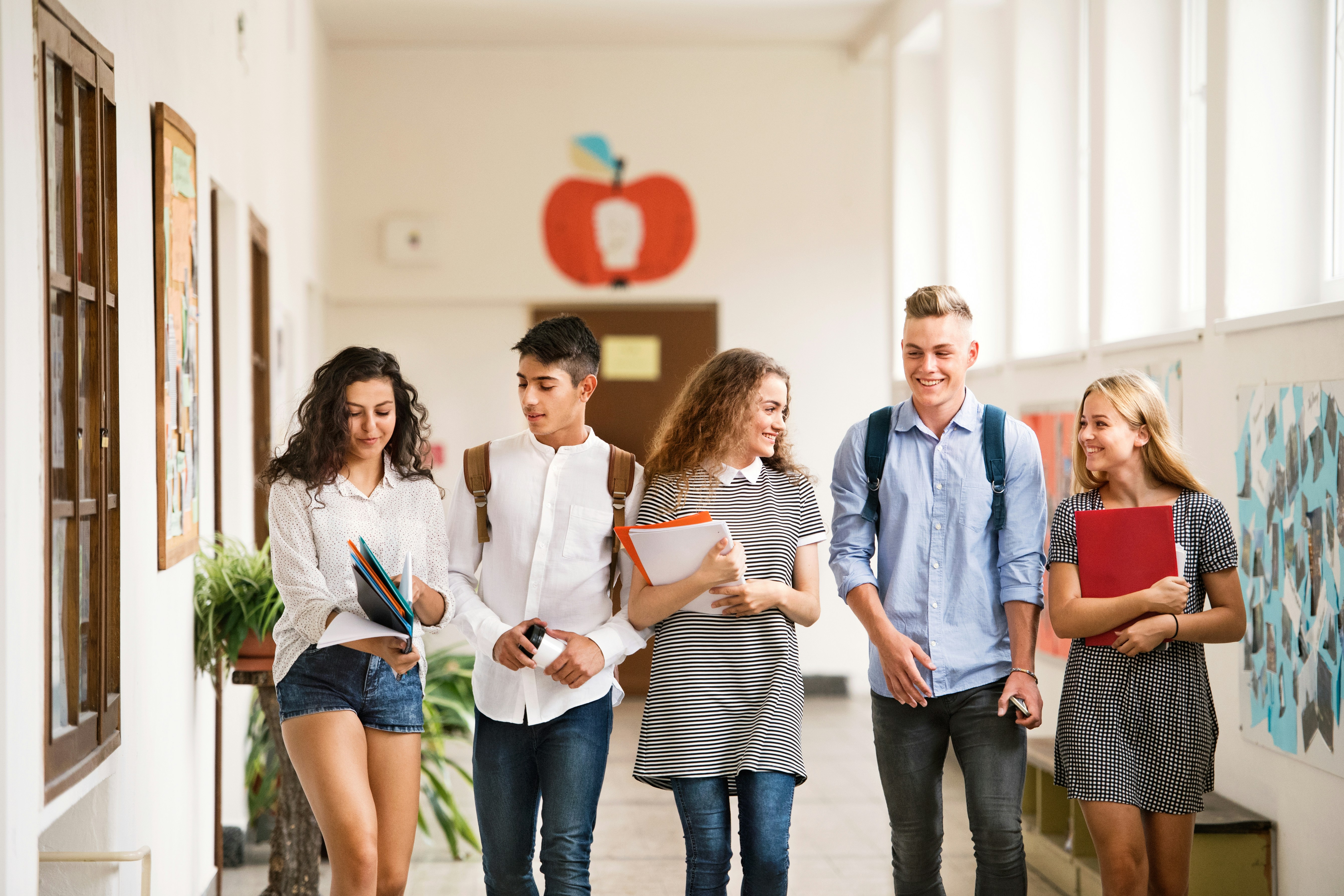
Primary school

Lessons grow in complexity, deepening understanding of balanced diets, nutrition, fitness and healthy routines. Students explore how food, exercise and sleep work together to support wellbeing.
Primary school

Lessons grow in complexity, deepening understanding of balanced diets, nutrition, fitness and healthy routines. Students explore how food, exercise and sleep work together to support wellbeing.

Lower secondary

Lessons grow in complexity, deepening understanding of balanced diets, nutrition, fitness and healthy routines. Students explore how food, exercise and sleep work together to support wellbeing.

Upper secondary

Older students engage with more considered ideas such as evaluating eating habits, body image, reliable health information and investing in long-term health. Lessons support informed, independent decision-making.

Upper secondary

Older students engage with more considered ideas such as evaluating eating habits, body image, reliable health information and investing in long-term health. Lessons support informed, independent decision-making.

Browse by subtopic

Explore these lesson plans by the health area you need most.

Healthy Eating

Lessons on balanced diets, nutrition, food choices and healthy relationships with food. Useful for teaching what a balanced plate looks like and how everyday eating habits support wellbeing.

Sleep & Self-Care

Focused on sleep essentials and its role in health and daily functioning. A useful entry point for teaching why rest matters.

Exercise & Hygiene

Practical lessons on getting active, fitness and personal and oral hygiene. A clear starting point for teaching movement, self-care and everyday physical health.

Mindfulness & Wellbeing

Lessons using yoga and tai chi to support the mind-body connection. Practical for embedding calm, movement and self-care into wellbeing teaching.

Healthy Lifestyle Habits

The largest area, covering balanced routines, forming healthy habits and connecting diet, exercise and sleep. Helpful for building a broad, joined-up picture of healthy living.

Healthy Eating

Lessons on balanced diets, nutrition, food choices and healthy relationships with food. Useful for teaching what a balanced plate looks like and how everyday eating habits support wellbeing.

Exercise & Hygiene

Practical lessons on getting active, fitness and personal and oral hygiene. A clear starting point for teaching movement, self-care and everyday physical health.

Healthy Lifestyle Habits

The largest area, covering balanced routines, forming healthy habits and connecting diet, exercise and sleep. Helpful for building a broad, joined-up picture of healthy living.

Sleep & Self-Care

Focused on sleep essentials and its role in health and daily functioning. A useful entry point for teaching why rest matters.

Mindfulness & Wellbeing

Lessons using yoga and tai chi to support the mind-body connection. Practical for embedding calm, movement and self-care into wellbeing teaching.

Healthy Eating

Lessons on balanced diets, nutrition, food choices and healthy relationships with food. Useful for teaching what a balanced plate looks like and how everyday eating habits support wellbeing.

Healthy Lifestyle Habits

The largest area, covering balanced routines, forming healthy habits and connecting diet, exercise and sleep. Helpful for building a broad, joined-up picture of healthy living.

Mindfulness & Wellbeing

Lessons using yoga and tai chi to support the mind-body connection. Practical for embedding calm, movement and self-care into wellbeing teaching.

Exercise & Hygiene

Practical lessons on getting active, fitness and personal and oral hygiene. A clear starting point for teaching movement, self-care and everyday physical health.

Sleep & Self-Care

Focused on sleep essentials and its role in health and daily functioning. A useful entry point for teaching why rest matters.

Healthy Eating

Lessons on balanced diets, nutrition, food choices and healthy relationships with food. Useful for teaching what a balanced plate looks like and how everyday eating habits support wellbeing.

Healthy Lifestyle Habits

The largest area, covering balanced routines, forming healthy habits and connecting diet, exercise and sleep. Helpful for building a broad, joined-up picture of healthy living.

Mindfulness & Wellbeing

Lessons using yoga and tai chi to support the mind-body connection. Practical for embedding calm, movement and self-care into wellbeing teaching.

Exercise & Hygiene

Practical lessons on getting active, fitness and personal and oral hygiene. A clear starting point for teaching movement, self-care and everyday physical health.

Sleep & Self-Care

Focused on sleep essentials and its role in health and daily functioning. A useful entry point for teaching why rest matters.

A few strong starting points from these lesson plans.

The Balanced Diet

Connects everyday food choices to wellbeing, helping students see how eating habits support how they feel and function.

The Balanced Diet

Connects everyday food choices to wellbeing, helping students see how eating habits support how they feel and function.

Healthy Eating, Healthy Living

Connects everyday food choices to wellbeing, helping students see how eating habits support how they feel and function.

Healthy Eating, Healthy Living

Connects everyday food choices to wellbeing, helping students see how eating habits support how they feel and function.

Diet, Exercise and Sleep

Helps students understand how nutrition, movement and rest work together to support daily wellbeing.

Diet, Exercise and Sleep

Helps students understand how nutrition, movement and rest work together to support daily wellbeing.

Get Up and Grow

Supports younger students in building foundational habits around movement, food and healthy routines.

Get Up and Grow

Supports younger students in building foundational habits around movement, food and healthy routines.

Health and Hygiene

Helps students understand everyday hygiene practices and why they matter for personal health.

Health and Hygiene

Helps students understand everyday hygiene practices and why they matter for personal health.

Reinforcing movement and self-care

Builds practical understanding of dental care and daily oral hygiene routines.

Reinforcing movement and self-care

Builds practical understanding of dental care and daily oral hygiene routines.

Yoga for All

Introduces students to yoga as a way to support movement, calm and self-care.

Yoga for All

Introduces students to yoga as a way to support movement, calm and self-care.

Tai Chi for Mind-Body Wellness

Helps students explore gentle movement and the connection between physical activity and wellbeing.

Tai Chi for Mind-Body Wellness

Helps students explore gentle movement and the connection between physical activity and wellbeing.

Teaching outcomes supported

These lessons support more than health facts alone. They help students build practical understanding and everyday capabilities that schools can reinforce across wellbeing and health learning.

These lessons can support outcomes such as:

Understanding healthy habits

  • explain how nutrition, movement and sleep affect daily wellbeing

  • identify the features of a balanced diet

  • describe everyday hygiene and self-care routines

Applying knowledge to daily life

  • apply healthy habits to their own routines at home and school

  • compare food choices and everyday health decisions

  • demonstrate simple movement and self-care practices

Thinking critically about health

  • evaluate the reliability of health information and trends

  • recognise how body image and messaging can shape choices

  • discuss how to make informed decisions about personal health

These outcomes are supported across 43+ lessons, making the lesson set useful across PDHPE, health, wellbeing and pastoral contexts, depending on stage and school context.

Why teachers use these resources

Teaching physical wellbeing well takes clear structure, accurate information and content that suits different cohorts, which is hard to build from scratch each time.

They save planning time

Each lesson is ready-to-teach with a clear on-screen flow and teacher script. Teachers can pick a lesson on nutrition, sleep or movement and deliver it with minimal preparation.

They cover the full breadth of the topic in one place

Teaching balanced diets and macronutrients can feel technical for a general classroom. Lessons such as Macro Nutrients 101 and The Balanced Diet break the ideas down into clear, age-appropriate steps.

They support confident delivery across different experience levels

Built-in teaching guidance and discussion prompts help teachers lead lessons on topics like body image or reliable health information, even where the subject is less familiar.

They work across year levels and different school settings

With lessons spanning primary through upper secondary, the same structured approach can be used with different ages and adapted to cohort needs.

They support proactive teaching, not just reactive responses

The lessons are designed to build health knowledge and habits over time, so schools can teach these skills as part of planned wellbeing work rather than waiting for a prompt.

They save planning time

Each lesson is ready-to-teach with a clear on-screen flow and teacher script. Teachers can pick a lesson on nutrition, sleep or movement and deliver it with minimal preparation.

They cover the full breadth of the topic in one place

Teaching balanced diets and macronutrients can feel technical for a general classroom. Lessons such as Macro Nutrients 101 and The Balanced Diet break the ideas down into clear, age-appropriate steps.

They support confident delivery across different experience levels

Built-in teaching guidance and discussion prompts help teachers lead lessons on topics like body image or reliable health information, even where the subject is less familiar.

They work across year levels and different school settings

With lessons spanning primary through upper secondary, the same structured approach can be used with different ages and adapted to cohort needs.

They support proactive teaching, not just reactive responses

The lessons are designed to build health knowledge and habits over time, so schools can teach these skills as part of planned wellbeing work rather than waiting for a prompt.

They save planning time

Each lesson is ready-to-teach with a clear on-screen flow and teacher script. Teachers can pick a lesson on nutrition, sleep or movement and deliver it with minimal preparation.

They support confident delivery across different experience levels

Built-in teaching guidance and discussion prompts help teachers lead lessons on topics like body image or reliable health information, even where the subject is less familiar.

They support proactive teaching, not just reactive responses

The lessons are designed to build health knowledge and habits over time, so schools can teach these skills as part of planned wellbeing work rather than waiting for a prompt.

They cover the full breadth of the topic in one place

Teaching balanced diets and macronutrients can feel technical for a general classroom. Lessons such as Macro Nutrients 101 and The Balanced Diet break the ideas down into clear, age-appropriate steps.

They work across year levels and different school settings

With lessons spanning primary through upper secondary, the same structured approach can be used with different ages and adapted to cohort needs.

Created by psychologists and experienced teachers, these 43+ lessons help schools teach healthy living in a practical, structured way.

Designed for real school settings

These resources are built for the reality of school use, not just for covering a topic on paper.

They are designed to help teachers teach Physical Wellbeing & Healthy Living in ways that are:

  • age-appropriate

  • classroom-friendly

  • relevant to student life

  • practical for discussion and reflection

  • adaptable for different school contexts

  • suitable for both planned and responsive teaching

Schools can use these lessons in both planned wellbeing teaching and more responsive pastoral support.

  • as part of a planned health and wellbeing programme across the year

  • in wellbeing lessons focused on habits, movement and self-care

  • in advisory or pastoral sessions supporting everyday health

  • as discussion starters on nutrition, sleep or body image

  • to revisit key habits as cohort needs change through the year

  • to support students building routines during transition points

Curriculum/Framework Support teachers use these resources

Physical Wellbeing & Healthy Living can support a wide range of school priorities and curriculum areas in Australian schools.

Depending on stage and school context, these lessons may contribute to:

  • PDHPE, health and wellbeing learning

  • student wellbeing and self-management

  • healthy habits, nutrition and physical activity education

  • body awareness and self-care learning

  • pastoral, advisory and school culture programmes

  • transition, resilience and support planning

  • PDHPE, health and wellbeing learning

  • student wellbeing and self-management

  • healthy habits, nutrition and physical activity education

  • body awareness and self-care learning

  • pastoral, advisory and school culture programmes

  • transition, resilience and support planning

  • PDHPE, health and wellbeing learning

  • healthy habits, nutrition and physical activity education

  • pastoral, advisory and school culture programmes

  • student wellbeing and self-management

  • body awareness and self-care learning

  • transition, resilience and support planning

  • PDHPE, health and wellbeing learning

  • healthy habits, nutrition and physical activity education

  • pastoral, advisory and school culture programmes

  • student wellbeing and self-management

  • body awareness and self-care learning

  • transition, resilience and support planning

These lessons can support planned curriculum, wellbeing, pastoral and safeguarding teaching, depending on stage and school context.

Frequently asked questions

  • What age groups are these lessons suitable for?

    The lesson set spans primary through upper secondary, with 6+ primary, 23+ lower secondary and 14+ upper secondary lessons. Suitability depends on the lesson focus, your cohort's readiness and your school context rather than age alone. For example, body image and evaluating eating habits sit better with older students, while foundational hygiene and movement habits suit younger classes.

  • What age groups are these lessons suitable for?

    The lesson set spans primary through upper secondary, with 6+ primary, 23+ lower secondary and 14+ upper secondary lessons. Suitability depends on the lesson focus, your cohort's readiness and your school context rather than age alone. For example, body image and evaluating eating habits sit better with older students, while foundational hygiene and movement habits suit younger classes.

  • How do these lessons fit into the curriculum?

  • How do I choose the right lesson?

  • Do teachers need specialist training to deliver these lessons?

  • How are sensitive topics like grooming, sextortion and deepfakes handled?

  • Can these lessons be used responsively after an online incident?

Related Lessons

A girl and a boy using mobile phone

Find Physical Wellbeing & Healthy Living lessons that fit your students

Find Physical Wellbeing & Healthy Living lessons that fit your students

Browse by stage, explore by subtopic, or start with a ready-to-teach lesson.