Substances & Risky Behaviours Lessons for Schools

Help students understand substance risks, recognise pressure and social influence, and make safer, informed decisions about alcohol, drugs and vaping.

Explore 20+ ready-to-teach lessons that help students in Australian primary and secondary schools understand substances and risky behaviours through knowledge, critical thinking and informed decision-making. These lesson plans cover alcohol, drugs, vaping and nicotine, gambling, prescription medication misuse, substance addiction, and the difference between legal and illegal substances, alongside how media and social influence shape choices. The lesson set builds gradually across stages. Early foundations begin in primary with clear, age-appropriate awareness, then lower secondary lessons introduce more detail around social influence, choices and consequences. Upper secondary lessons move into more complex and sensitive territory, including dependence, addiction and the wider social context around substance use.

Primary • Secondary • PDHPE • Wellbeing • Health • Inclusion • Human Rights

Why this topic matters in schools

Substance and risk education gives students the knowledge to make safer decisions before pressure arrives.

Substance and risk education gives students the knowledge to make safer decisions before pressure arrives.

Students encounter messages about alcohol, vaping, drugs and gambling through peers, media and everyday life long before they face direct choices. Learning about these topics in a calm, factual classroom setting helps them understand risks, question influences and think through consequences rather than react in the moment. These are skills that need to be taught, practised and revisited over time, not left until something goes wrong.

This topic matters in schools because it helps students:

  • recognise how peers, media and marketing shape attitudes to substances

  • understand the difference between legal, illegal and prescription substances

  • think critically about risk, consequences and personal choices

  • identify where and how to seek help and support

  • practise informed decision-making before real situations arise

For teachers and school leaders, Wellio's Substances & Risky Behaviours lessons offer a structured, harm-informed way to build knowledge and decision-making skills, and to reinforce wellbeing, health and pastoral priorities across the school.

Teachers come to Wellio looking for practical, ready-to-teach lessons that match their classroom goals, cohort needs and teaching context.

Browse by stage

Find Substances & Risky Behaviours lessons that match the age group you teach.

Primary school

Lessons grow in complexity to explore social influence, peer pressure, vaping, alcohol and the difference between legal and illegal substances, alongside consequences and informed choices.
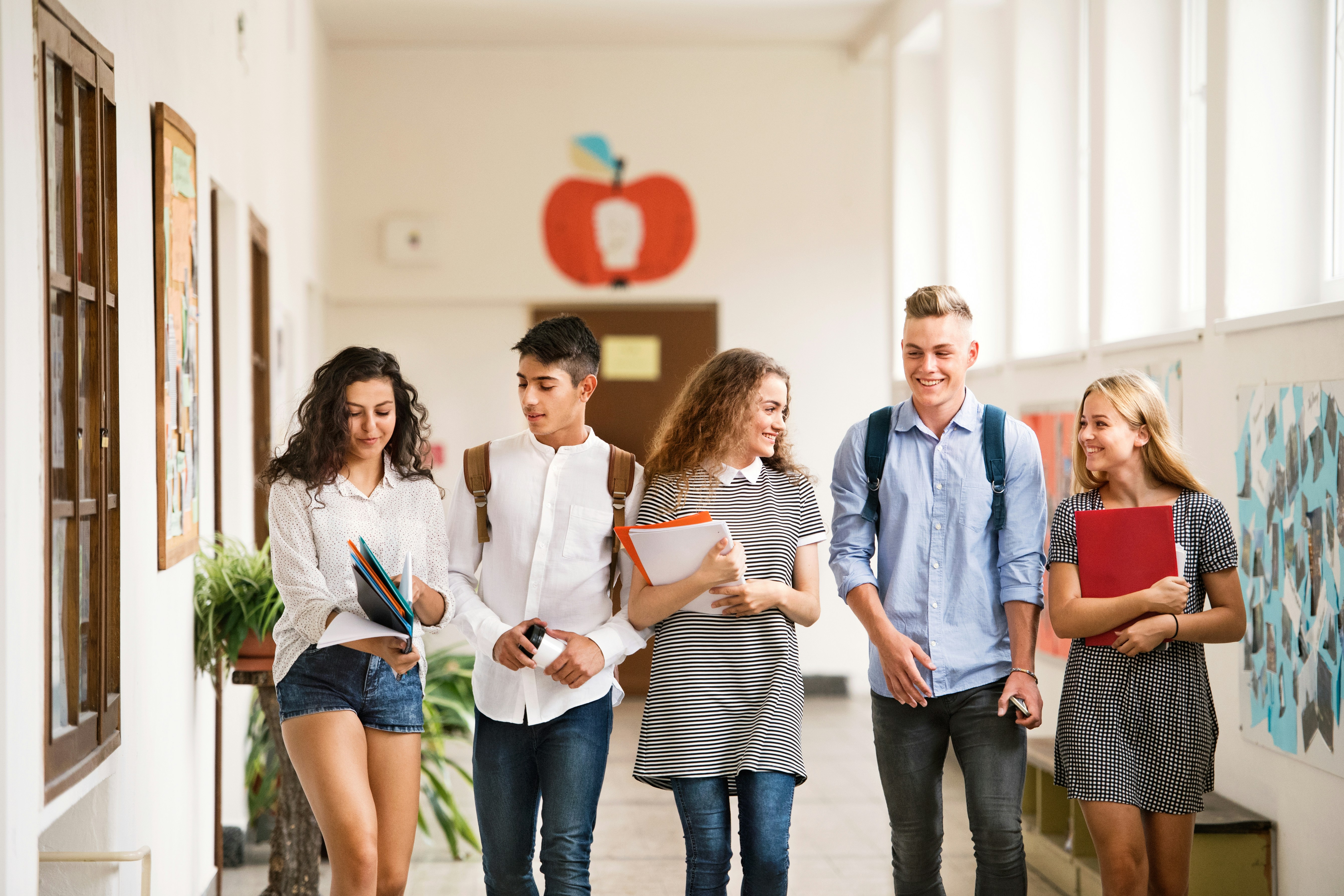
Primary school

Lessons grow in complexity to explore social influence, peer pressure, vaping, alcohol and the difference between legal and illegal substances, alongside consequences and informed choices.

Lower secondary

Lessons grow in complexity to explore social influence, peer pressure, vaping, alcohol and the difference between legal and illegal substances, alongside consequences and informed choices.

Upper secondary

More advanced lessons address dependence, addiction, gambling, prescription medication misuse and the wider social and health context around substance use.

Upper secondary

More advanced lessons address dependence, addiction, gambling, prescription medication misuse and the wider social and health context around substance use.

Browse by subtopic

Explore these lesson plans by the topic area you need most.

Alcohol, Drugs & Vaping

The largest area, covering alcohol, drug awareness, vaping and nicotine, party drugs, prescription medication misuse, dependence and addiction. Lessons focus on knowledge, risk awareness and informed choices.

Media Influence on Substance Use

Examines how marketing, social media and social settings shape attitudes and decisions around substances and gambling.

Drug & Alcohol Laws

Helps students understand the difference between legal and illegal substances and what this means for choices and consequences.

Healthy Lifestyle Choices

Connects substance and risk education to broader wellbeing and health, supporting students to weigh choices and consider their long-term impact.

Alcohol, Drugs & Vaping

The largest area, covering alcohol, drug awareness, vaping and nicotine, party drugs, prescription medication misuse, dependence and addiction. Lessons focus on knowledge, risk awareness and informed choices.

Drug & Alcohol Laws

Helps students understand the difference between legal and illegal substances and what this means for choices and consequences.

Healthy Lifestyle Choices

Connects substance and risk education to broader wellbeing and health, supporting students to weigh choices and consider their long-term impact.

Media Influence on Substance Use

Examines how marketing, social media and social settings shape attitudes and decisions around substances and gambling.

Alcohol, Drugs & Vaping

The largest area, covering alcohol, drug awareness, vaping and nicotine, party drugs, prescription medication misuse, dependence and addiction. Lessons focus on knowledge, risk awareness and informed choices.

Healthy Lifestyle Choices

Connects substance and risk education to broader wellbeing and health, supporting students to weigh choices and consider their long-term impact.

Drug & Alcohol Laws

Helps students understand the difference between legal and illegal substances and what this means for choices and consequences.

Media Influence on Substance Use

Examines how marketing, social media and social settings shape attitudes and decisions around substances and gambling.

Alcohol, Drugs & Vaping

The largest area, covering alcohol, drug awareness, vaping and nicotine, party drugs, prescription medication misuse, dependence and addiction. Lessons focus on knowledge, risk awareness and informed choices.

Healthy Lifestyle Choices

Connects substance and risk education to broader wellbeing and health, supporting students to weigh choices and consider their long-term impact.

Drug & Alcohol Laws

Helps students understand the difference between legal and illegal substances and what this means for choices and consequences.

Media Influence on Substance Use

Examines how marketing, social media and social settings shape attitudes and decisions around substances and gambling.

A few strong starting points from these lesson plans.

Alcohol

Builds foundational knowledge of drugs and their effects in a clear, factual way.

Alcohol

Builds foundational knowledge of drugs and their effects in a clear, factual way.

Drug Awareness

Builds foundational knowledge of drugs and their effects in a clear, factual way.

Drug Awareness

Builds foundational knowledge of drugs and their effects in a clear, factual way.

Drugs

Explores different types of drugs, their risks and the consequences of use.

Drugs

Explores different types of drugs, their risks and the consequences of use.

Informed Drug & Alcohol Choices

Supports students to weigh information, consider consequences and make safer, informed decisions.

Informed Drug & Alcohol Choices

Supports students to weigh information, consider consequences and make safer, informed decisions.

Alcohol Dependence & Excessive Drinking

Helps students understand how alcohol dependence develops and the signs and impacts of excessive drinking.

Alcohol Dependence & Excessive Drinking

Helps students understand how alcohol dependence develops and the signs and impacts of excessive drinking.

Teaching decision-making and help-seeking

Explains how addiction works and its effects on individuals and those around them.

Teaching decision-making and help-seeking

Explains how addiction works and its effects on individuals and those around them.

Gambling Addiction

Unpacks how gambling can become harmful and where to seek support.

Gambling Addiction

Unpacks how gambling can become harmful and where to seek support.

The Truth About Vaping

Helps students separate fact from marketing and understand the risks associated with vaping and nicotine.

The Truth About Vaping

Helps students separate fact from marketing and understand the risks associated with vaping and nicotine.

Teaching outcomes supported

These lessons support more than topic knowledge alone. They help schools build wider capabilities in critical thinking, decision-making and help-seeking that students can apply beyond the classroom.

These lessons can support outcomes such as:

Knowledge and understanding

  • identify different substances, including alcohol, drugs, nicotine and prescription medication

  • explain the difference between legal, illegal and prescription substances

  • describe how substances and gambling can affect health and daily life

  • recognise how dependence and addiction can develop

Critical thinking and influence

  • analyse how media, marketing and peers shape attitudes to substances

  • evaluate risks and consequences of substance use and gambling

  • compare accurate information with common misconceptions about vaping and other substances

Decision-making and help-seeking

  • apply decision-making strategies to weigh choices and consequences

  • identify where and how to seek help and support

  • demonstrate safer, informed thinking about pressure and risk

These outcomes are supported across 20+ lessons, making the lesson set useful across PDHPE, health, wellbeing and pastoral contexts in Australian schools.

Why teachers use these resources

Substances and risky behaviours are difficult to teach well without structured support, because the topic is sensitive, fast-changing and easy to get wrong in tone.

They save planning time

Each lesson is ready-to-teach with structure, discussion prompts and teaching guidance already prepared. This removes the need to research accurate, harm-informed content from scratch and lets teachers focus on delivery.

They cover the full breadth of the topic in one place

Students often arrive with mixed messages from social media and peers. Lessons on vaping, party drugs and legal versus illegal substances help set the record straight with accurate, harm-informed information.

They support confident delivery across different experience levels

Lessons are built to be read from the screen and include a teacher script and on-screen lesson flow, so teachers less familiar with the topic can still teach it clearly. Discussion prompts help guide sensitive conversations calmly.

They work across year levels and different school settings

Lessons span primary through to upper secondary, with content pitched appropriately at each stage. This makes it easier to teach the same theme with the right depth for each cohort.

They support proactive teaching, not just reactive responses

Because lessons are planned and structured, schools can teach these topics before pressures arise rather than only responding after an issue. The harm-informed approach keeps the focus on knowledge and decision-making.

They save planning time

Each lesson is ready-to-teach with structure, discussion prompts and teaching guidance already prepared. This removes the need to research accurate, harm-informed content from scratch and lets teachers focus on delivery.

They cover the full breadth of the topic in one place

Students often arrive with mixed messages from social media and peers. Lessons on vaping, party drugs and legal versus illegal substances help set the record straight with accurate, harm-informed information.

They support confident delivery across different experience levels

Lessons are built to be read from the screen and include a teacher script and on-screen lesson flow, so teachers less familiar with the topic can still teach it clearly. Discussion prompts help guide sensitive conversations calmly.

They work across year levels and different school settings

Lessons span primary through to upper secondary, with content pitched appropriately at each stage. This makes it easier to teach the same theme with the right depth for each cohort.

They support proactive teaching, not just reactive responses

Because lessons are planned and structured, schools can teach these topics before pressures arise rather than only responding after an issue. The harm-informed approach keeps the focus on knowledge and decision-making.

They save planning time

Each lesson is ready-to-teach with structure, discussion prompts and teaching guidance already prepared. This removes the need to research accurate, harm-informed content from scratch and lets teachers focus on delivery.

They support confident delivery across different experience levels

Lessons are built to be read from the screen and include a teacher script and on-screen lesson flow, so teachers less familiar with the topic can still teach it clearly. Discussion prompts help guide sensitive conversations calmly.

They support proactive teaching, not just reactive responses

Because lessons are planned and structured, schools can teach these topics before pressures arise rather than only responding after an issue. The harm-informed approach keeps the focus on knowledge and decision-making.

They cover the full breadth of the topic in one place

Students often arrive with mixed messages from social media and peers. Lessons on vaping, party drugs and legal versus illegal substances help set the record straight with accurate, harm-informed information.

They work across year levels and different school settings

Lessons span primary through to upper secondary, with content pitched appropriately at each stage. This makes it easier to teach the same theme with the right depth for each cohort.

With 20+ lessons created by psychologists and experienced teachers, the lesson set gives teachers a dependable, structured starting point.

Designed for real school settings

These resources are built for the reality of school use, not just for covering a topic on paper.

They are designed to help teachers teach Substances & Risky Behaviours in ways that are:

  • age-appropriate

  • classroom-friendly

  • relevant to student life

  • practical for discussion and reflection

  • adaptable for different school contexts

  • suitable for both planned and responsive teaching

Schools can use these lessons in both planned wellbeing teaching and more responsive pastoral support.

  • structured wellbeing and health lessons across the school year

  • discussion-led sessions where students can ask questions safely

  • revisiting key topics such as vaping or alcohol as cohorts mature

  • transition points where new pressures or social settings emerge

  • pastoral and advisory sessions that build on planned teaching

  • responsive follow-up after a topic has already been introduced

Curriculum/Framework Support teachers use these resources

Substances & Risky Behaviours can support a wide range of school priorities and curriculum areas in Australian schools.

Depending on stage and school context, these lessons may contribute to:

  • PDHPE, health and wellbeing learning

  • protective behaviours and personal safety education

  • student wellbeing and self-management

  • critical thinking about media and social influence

  • pastoral, advisory and school culture programmes

  • transition, resilience and support planning

  • PDHPE, health and wellbeing learning

  • protective behaviours and personal safety education

  • student wellbeing and self-management

  • critical thinking about media and social influence

  • pastoral, advisory and school culture programmes

  • transition, resilience and support planning

  • PDHPE, health and wellbeing learning

  • student wellbeing and self-management

  • pastoral, advisory and school culture programmes

  • protective behaviours and personal safety education

  • critical thinking about media and social influence

  • transition, resilience and support planning

  • PDHPE, health and wellbeing learning

  • student wellbeing and self-management

  • pastoral, advisory and school culture programmes

  • protective behaviours and personal safety education

  • critical thinking about media and social influence

  • transition, resilience and support planning

These lessons can support planned curriculum, wellbeing, pastoral and safeguarding teaching, depending on stage and school context.

Frequently asked questions

  • What age groups are these lessons suitable for?

    Suitability depends on lesson focus, cohort readiness and school context rather than age alone. The lesson set spans primary through to upper secondary, with foundational awareness for younger students and more complex topics such as dependence and addiction reserved for older cohorts. Teachers can choose lessons that match their students' developmental stage and the trust already established in the classroom.

  • What age groups are these lessons suitable for?

    Suitability depends on lesson focus, cohort readiness and school context rather than age alone. The lesson set spans primary through to upper secondary, with foundational awareness for younger students and more complex topics such as dependence and addiction reserved for older cohorts. Teachers can choose lessons that match their students' developmental stage and the trust already established in the classroom.

  • How do these lessons fit into the curriculum?

  • How do I choose the right lesson?

  • Do I need specialist training to teach these lessons?

  • How do these lessons handle sensitive content?

  • Are these lessons only for responding to an incident?

Related Lessons

A girl and a boy using mobile phone

Find Substances & Risky Behaviours lessons that fit your students

Find Substances & Risky Behaviours lessons that fit your students

Browse by stage, explore by subtopic, or start with a ready-to-teach lesson.